
When considering dental treatment in a foreign country, most patients focus on cost, treatment options, and dentist experience. One critical factor is often overlooked — sterilization.
In dentistry, sterilization is not optional. It is one of the most important foundations of patient safety, especially when undergoing invasive procedures such as fillings, root canal treatments, crowns, or dental implants.
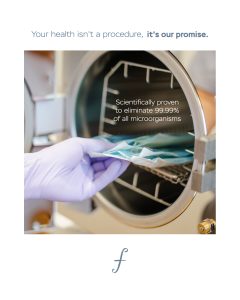
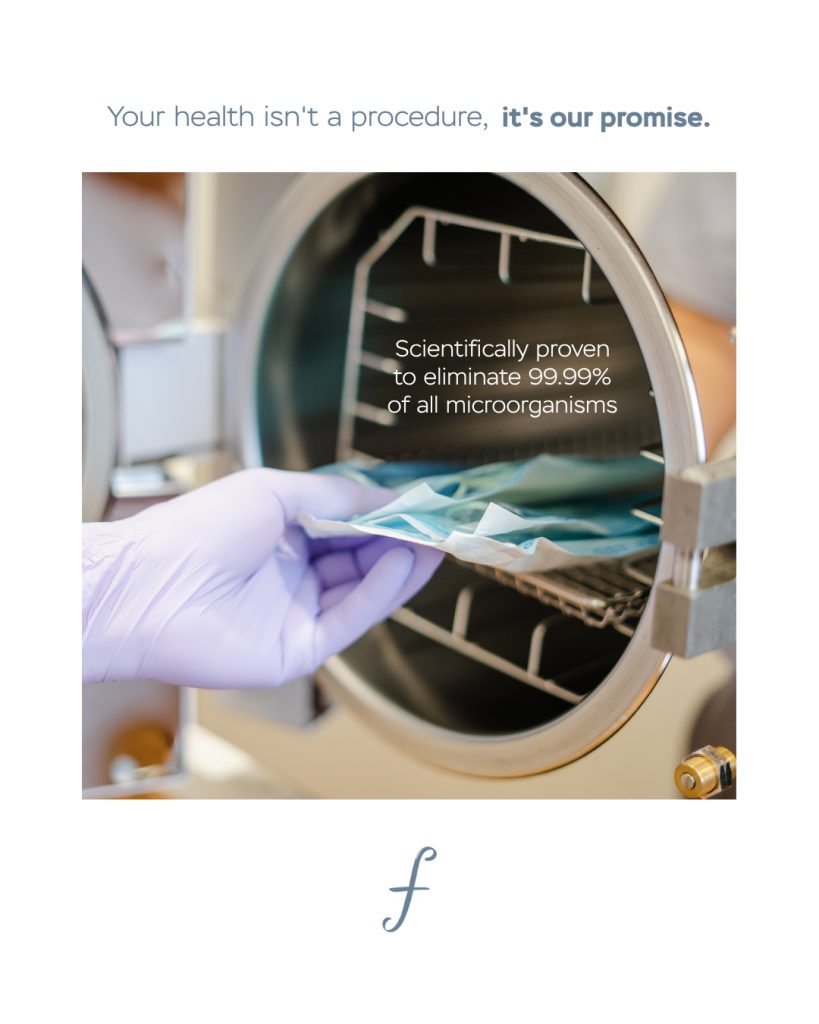
An autoclave is a medical-grade sterilization device that uses high-pressure steam at controlled temperatures to eliminate bacteria, viruses, fungi, and spores from dental instruments.
Proper autoclave sterilization ensures that instruments used on one patient are completely safe for the next — eliminating the risk of cross-contamination.
In reputable dental clinics, autoclaves are a non-negotiable standard, not an added feature.
Dental procedures often involve:
Contact with blood and saliva
Invasive access to soft tissue and bone
Use of sharp and rotary instruments
Without proper sterilization, there is a risk of transmitting infections — even when procedures appear minor.
International-standard clinics follow strict protocols to ensure that every reusable instrument is fully sterilized before use.
A responsible dental clinic typically follows a multi-step process:
Pre-cleaning
Instruments are cleaned of visible debris before sterilization.
Ultrasonic Cleaning
Fine particles are removed using ultrasonic baths.
Autoclave Sterilization
Instruments are sealed in sterilization pouches and processed in a medical-grade autoclave.
Monitoring and Documentation
Autoclaves are routinely tested with biological and chemical indicators to confirm effectiveness.
Single-Use Disposables
Items such as needles, suction tips, and gloves are used once and discarded.
These steps are designed to meet international infection control standards.
When receiving dental care abroad, patients may not be familiar with local regulations. This makes it even more important to choose clinics that voluntarily adhere to international sterilization protocols, rather than only minimum local requirements.
Patients should feel comfortable asking:
Whether instruments are autoclave-sterilized
How often sterilization equipment is tested
Which items are single-use
A professional clinic will welcome these questions.
While many dental clinics in Bali operate at a high standard, sterilization practices can vary.
Clinics that prioritize speed, volume, or unusually low pricing may reduce time spent on proper sterilization cycles.
This is why price alone should never be the deciding factor in dental care — especially for invasive treatments.
At Fidelity Dental Bali, sterilization is treated as a core responsibility, not a marketing claim.
Our clinic uses medical-grade autoclaves, strict infection control protocols, and single-use disposables where appropriate — because patient safety comes first.
Sterilization procedures are followed consistently for every patient, every procedure, without exception.
Dentistry is healthcare.
No matter where you receive treatment, proper sterilization protects both patients and clinicians.
When choosing a dental clinic abroad, asking about autoclaves and infection control is not being cautious — it is being informed.
Choosing a clinic that values transparency and safety ensures peace of mind and predictable outcomes.
Fidelity Dental Bali — Honest Dentistry • Exceptional Care
Jl. Sunset Road No. 50x, Seminyak, Bali
Website: https://fidelitydentalbali.com
Don’t hesitate to get in touch by phone, email, or contact us.