

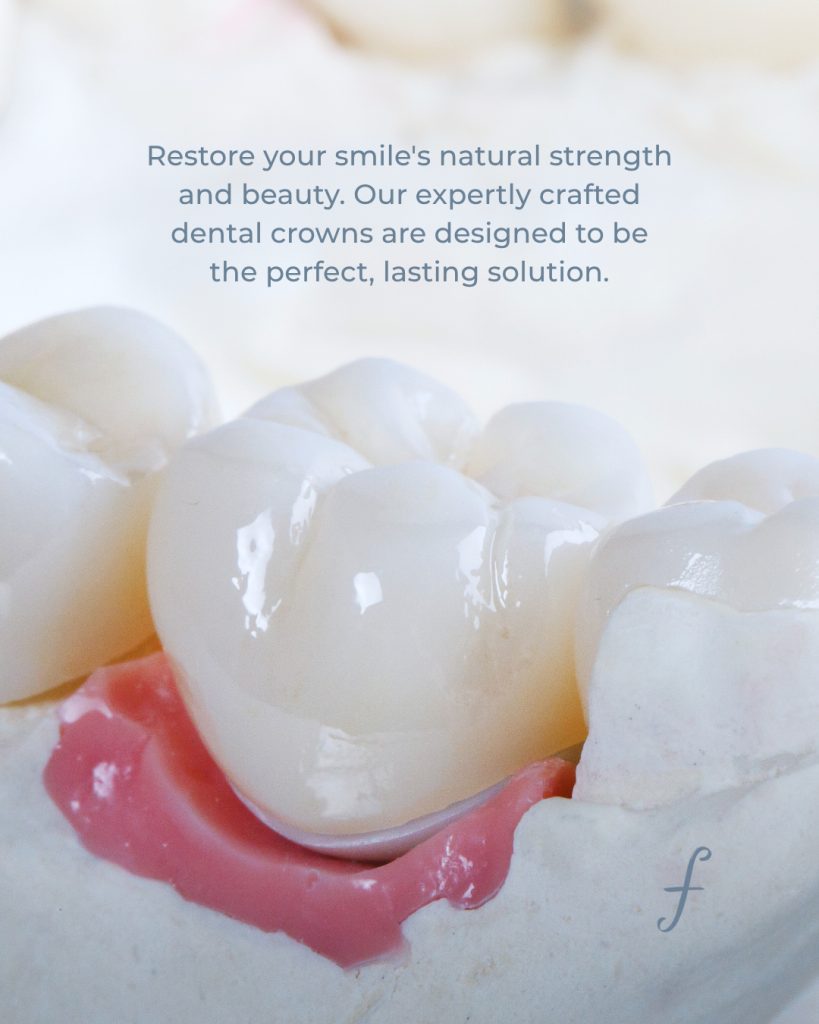
Dental crowns are one of the most common restorative treatments for both local and international patients visiting Bali. They play an essential role in restoring damaged teeth, protecting weakened structures, and completing treatments such as root canal therapy or dental implants.
For international patients, understanding the process, cost, and long-term expectations is crucial before deciding where to proceed with treatment. This guide explains what you should know about getting dental crowns in Bali — clearly and honestly.
A dental crown is a custom-made restoration that fully covers a tooth, restoring its shape, strength, and function. Crowns are commonly recommended when a tooth is:
Severely decayed or fractured
Weakened after a root canal treatment
Heavily filled and at risk of cracking
Used as support for a bridge or implant
When properly designed and placed, a crown can last many years and function just like a natural tooth.
Many patients from Australia, New Zealand, Europe, and beyond choose Bali for crown treatments due to:
More accessible pricing compared to their home countries
Shorter waiting times
Experienced dentists familiar with international standards
The convenience of combining treatment with travel
However, crown treatment is not simply about speed or price. Accuracy, material selection, and bite assessment are critical to long-term success.
The choice of crown material depends on aesthetics, function, and tooth position.
Natural appearance and translucency
Ideal for front teeth
Highly aesthetic results
Very strong and durable
Suitable for back teeth or heavy biting forces
Good balance between strength and appearance
Strong metal core with porcelain outer layer
Less aesthetic than full ceramic options
Used selectively depending on case requirements
A responsible clinic will recommend materials based on function and longevity — not just appearance.
At reputable clinics, crown treatment typically follows these steps:
Initial Examination and Diagnosis
Clinical examination and X-rays to assess tooth condition.
Tooth Preparation
The tooth is shaped to allow proper crown placement.
Impression or Digital Scan
Accurate records are taken to fabricate a well-fitting crown.
Temporary Crown
A temporary crown protects the tooth while the final crown is made.
Final Crown Placement
The crown is checked for fit, bite, and aesthetics before cementation.
For international patients, treatment timelines are planned carefully to avoid rushing or compromising results.
Most crown treatments require:
2 visits over 5–10 days, depending on the laboratory process
Longer timelines for multiple crowns or complex cases
Same-day crowns may be advertised by some clinics, but they are not always suitable for every case. Long-term success should always take priority over speed.
Crown prices in Bali vary depending on material and case complexity. In general, patients can expect significantly lower costs compared to Australia or Europe.
Transparent clinics will always:
Provide a clear treatment plan
Explain material differences
Discuss longevity and maintenance
Avoid hidden costs
Price alone should never be the sole deciding factor.
Dental crowns are predictable treatments, but potential issues include:
Sensitivity after placement
Bite discomfort if not properly adjusted
Crown chipping or wear over time
Gum irritation if margins are not well designed
These risks are minimized through careful planning and precise execution.
For international patients, crown treatment should be planned realistically.
Rushed dentistry increases the risk of complications after returning home.
A responsible clinic will:
Allow adequate time between visits
Ensure bite stability
Provide post-treatment instructions and documentation
Dental crowns in Bali can be a reliable, long-lasting solution when performed with proper planning, quality materials, and experienced hands. The key is choosing a clinic that prioritizes precision, transparency, and long-term results.
Crowns are not just restorations — they are part of a comprehensive oral health strategy.
Fidelity Dental Bali — Honest Dentistry • Exceptional Care
Jl. Sunset Road No. 50x, Seminyak, Bali
Website: https://fidelitydentalbali.com
Don’t hesitate to get in touch by phone, email, or contact us.